April 8, 2026 · 5 min read
Why ants take over Kansas kitchens every April
Warm rain, cool nights and a foraging trail that started outside your foundation. Here's what's actually happening and what stops it.

Written by the Trailside Pest Control field team · Overland Park, KS
The short answer
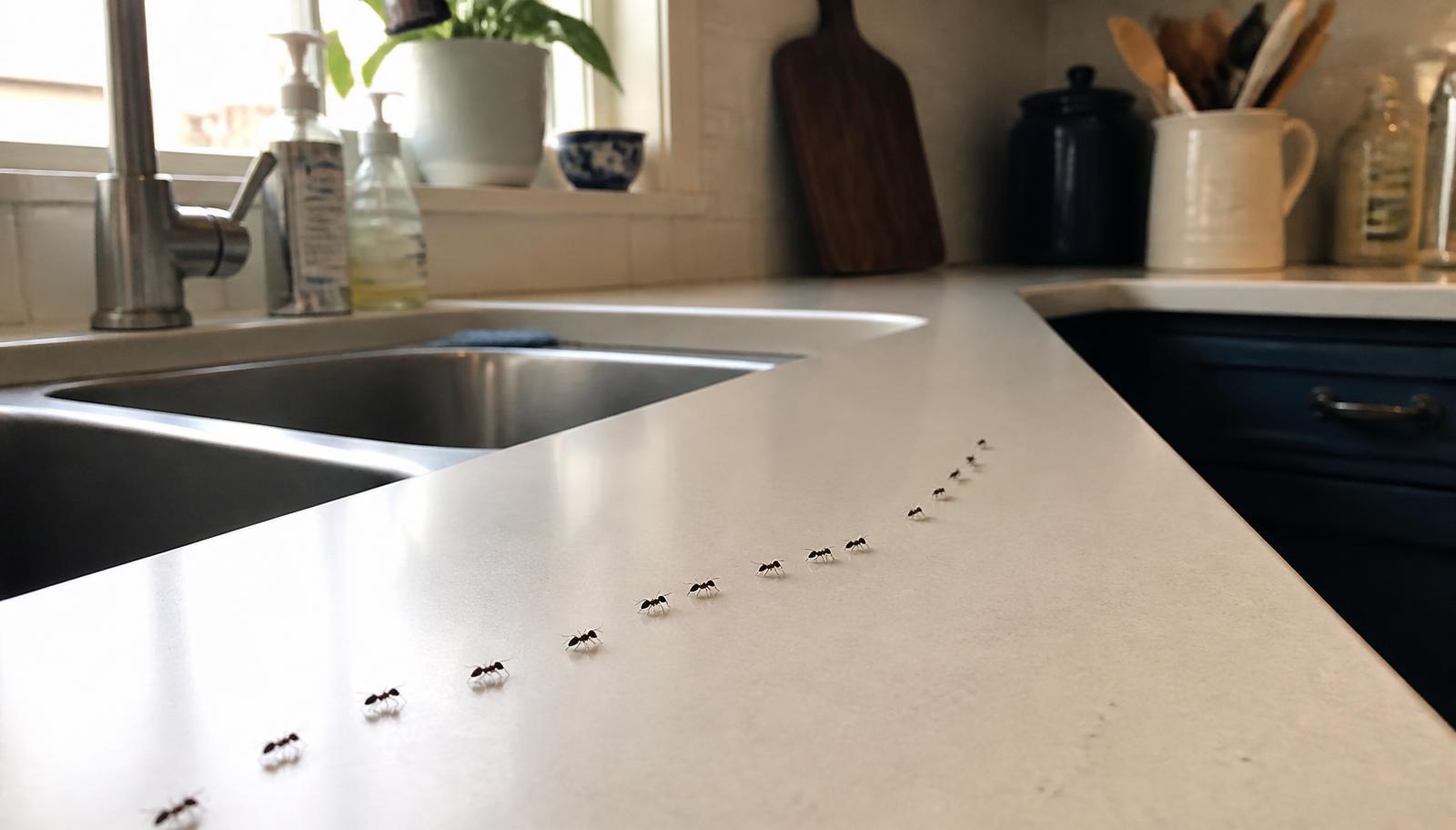
Spring ant trails in Kansas kitchens almost always come from odorous house ant colonies nesting just outside the foundation. Spraying the visible trail can split the colony and make it worse. The fix is a non-repellent perimeter treatment plus slow-acting bait applied at the nest, then a renewed exterior barrier each quarter.
Key takeaways
- Ants move indoors when April rain saturates nests under mulch, rock and concrete slabs.
- Store-bought sprays kill about 2% of a colony and can trigger budding into satellite nests.
- Bait plus a non-repellent perimeter product collapses the colony instead of scattering it.
- Pull mulch back four inches and fix downspouts to cut pressure before next spring.
What's actually happening in April
Every spring we get the same call from Overland Park and Prairie Village: a thin line of ants marching across the kitchen counter, seemingly out of nowhere. It's not random, and it's not because your house is dirty.
Odorous house ants overwinter in colonies just outside the foundation — under mulch, landscape rock, siding gaps and the concrete stoop. When soil temperatures climb in early April and spring rain saturates their nest, foraging workers push indoors looking for drier ground and reliable food.
Why the store-bought spray made it worse
Spraying the trail you can see kills maybe two percent of the colony and often causes budding, where the colony splits into satellite nests. That's why the problem seems worse a week after a DIY treatment.
Repellent products also scatter foragers into wall voids and cabinet bases, which puts them further from the bait you actually want them to find.
How we treat it
The fix is a non-repellent perimeter product paired with a slow-acting bait, applied at the actual harborage rather than the trail. Workers carry it back and the colony collapses. Then you keep the exterior barrier renewed quarterly so next April's push never makes it inside.
What you can do this week
A few small exterior changes remove most of the moisture and shelter that ant colonies build against:
- Pull mulch and landscape rock back four inches from the foundation.
- Trim shrubs and tree limbs so nothing touches the siding or roofline.
- Fix any downspout dumping water against the house.
- Wipe counters with a vinegar solution to erase pheromone trails, not bleach.
- Leave the trail intact for a day or two before we arrive so we can find the entry point.
Common questions
How long does it take to get rid of ants?
Most kitchen trails quiet down within three to seven days after treatment as the bait moves through the colony. Seeing more ants for the first day or two is normal — that's bait being carried back.
How are ant treatments handled around kids and pets?
Treatments are applied according to product labels and applicable regulations. Bait is placed where kids and pets can't reach it, and your technician gives you instructions concerning people and pets — including when a treated area is dry — before leaving.
Will one visit be enough?
One visit usually clears the immediate trail. Kansas ant pressure rebuilds outside every spring, so a quarterly exterior barrier is what keeps them from coming back inside.
Keep reading
Spiders
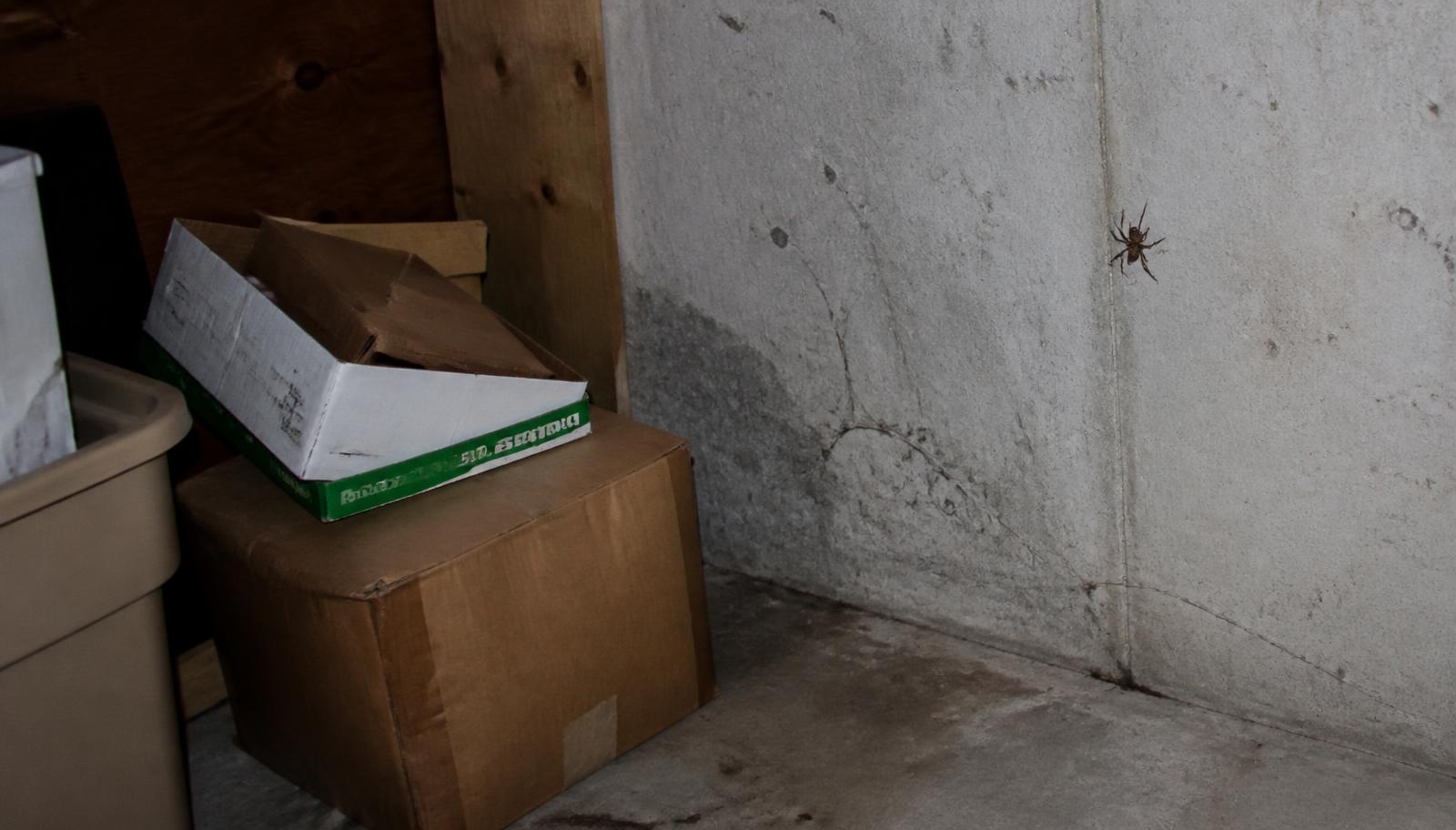
Brown recluse vs. wolf spiders: what's actually in your Kansas basement
Johnson County sits in brown recluse territory, but most of the spiders people find are harmless. Here's how to tell them apart and how to make your home less inviting.
Read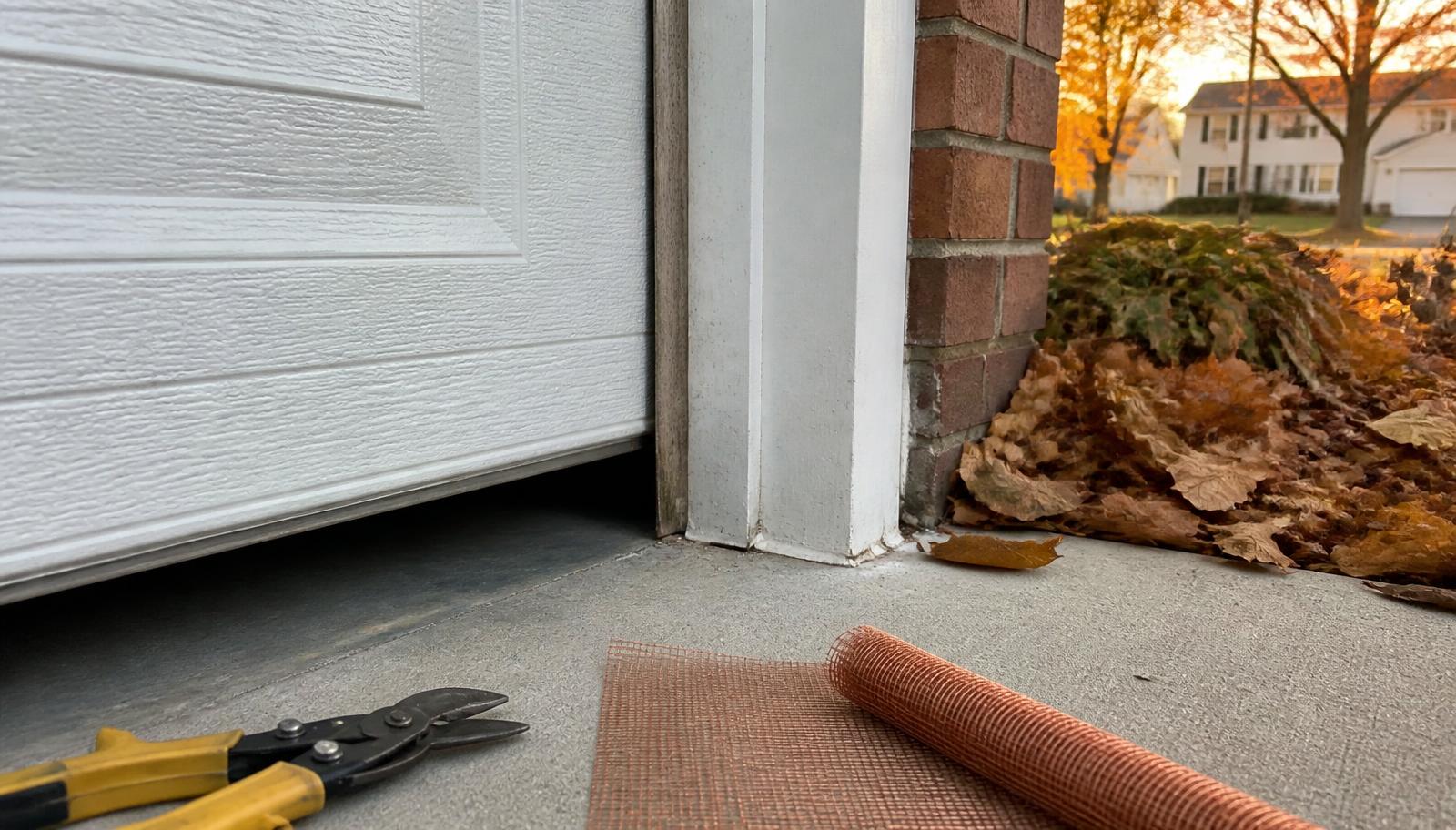
Rodents
Rodent-proofing before the first cold snap
October is when mice start looking for winter quarters. A weekend of exclusion work now saves a much bigger problem in January.
Read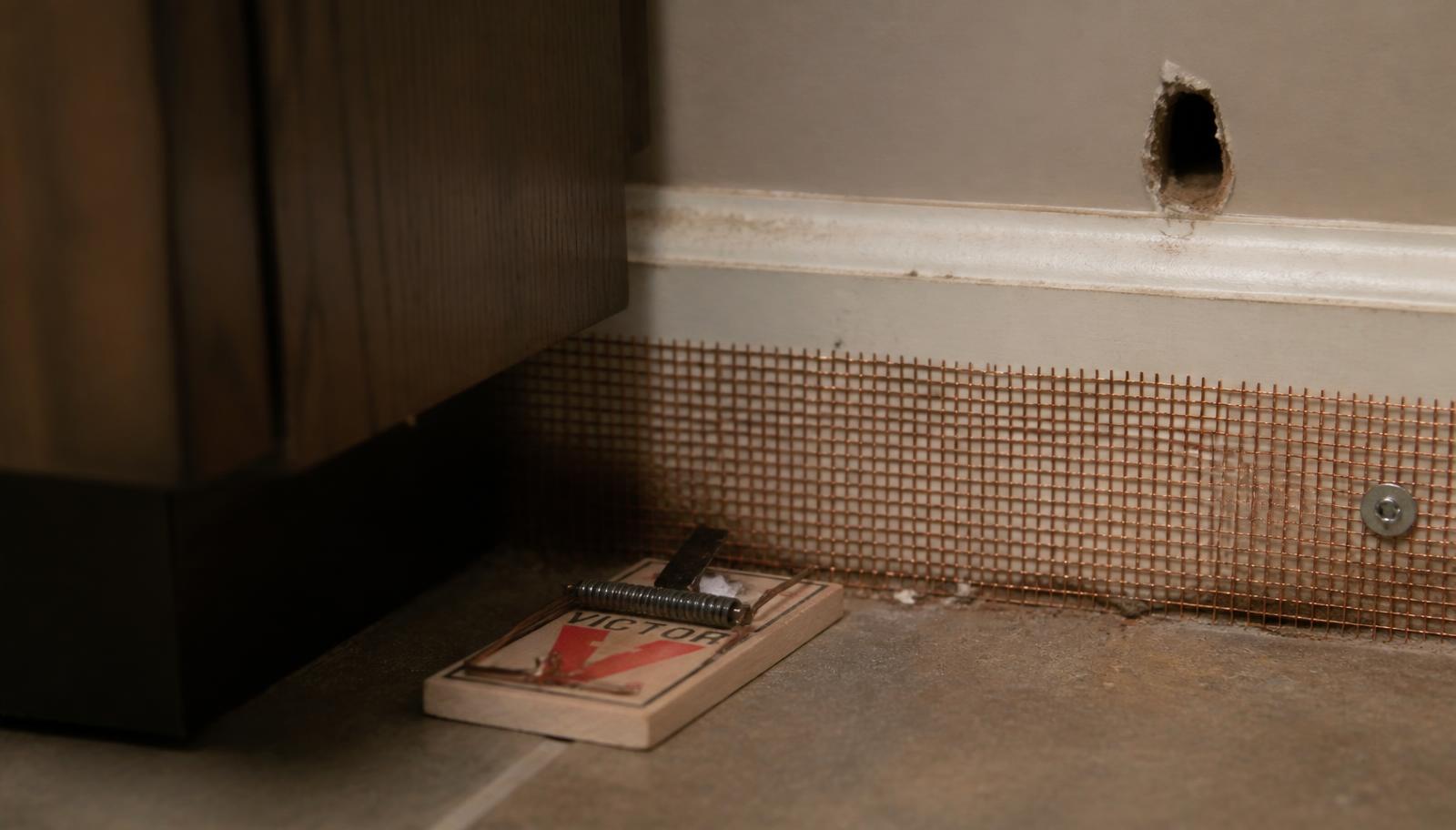
Mice
How to get rid of mice: a step-by-step guide for Kansas homes
Traps in the right places, food removed, and every dime-sized gap sealed. That order matters — here's the exact sequence we use in Overland Park homes.
ReadReady for a pest-free home?
Tell us what you're seeing and we'll give you a straight answer, a firm price, and a visit this week.