September 30, 2026 · 6 min read
Rodent-proofing before the first cold snap
October is when mice start looking for winter quarters. A weekend of exclusion work now saves a much bigger problem in January.

Written by the Trailside Pest Control field team · Overland Park, KS
The short answer
Mice move into Kansas homes during the first cool nights of October, not in December. A house mouse fits through a dime-sized gap, so exclusion — garage door seals, copper mesh in utility penetrations, sealed storage — is the work that matters. If you already hear activity, trap first and seal second.
Key takeaways
- October, not January, is when mice choose their winter quarters.
- A mouse needs a dime-sized gap; a young rat needs a quarter.
- Worn garage door seals are the single most common entry point we find in Johnson County.
- Copper mesh or steel wool under sealant holds; expanding foam alone does not.
The timeline homeowners miss
Mice don't suddenly appear in December — they move in during the first cool nights of October and go unnoticed until the population is large enough to be heard in the walls.
By the time you hear scratching above a bedroom ceiling, a pair has usually become a dozen. Exclusion in early fall is far cheaper than trapping out an established population in midwinter.
Where they get in
A house mouse fits through a gap the size of a dime, and a young rat through a quarter. That means most homes have a dozen viable openings:
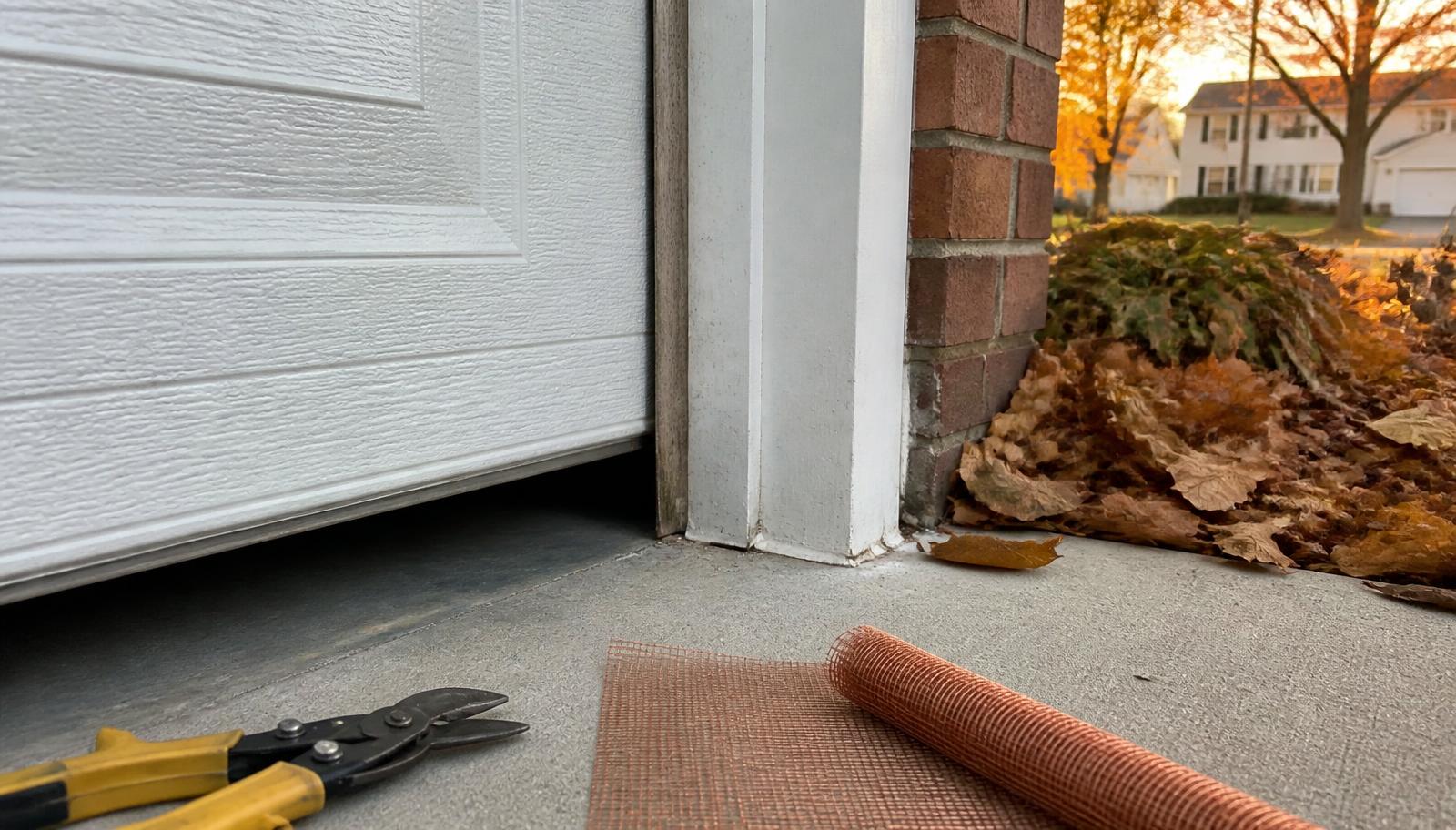
- Both bottom corners of the garage door and worn bottom seal.
- Utility penetrations for gas, electric and AC line sets.
- Dryer and bath vents with missing or broken dampers.
- Weep holes and the gap where siding meets brick.
- Crawl space vents, foundation cracks and sill plate gaps.
Start with the garage
Replace worn bottom seal and check both bottom corners of the door where light shows through. That single repair closes the most common entry point we find in Johnson County.
Seal the rest correctly
Stuff copper mesh or steel wool into utility penetrations and seal over it. Foam alone doesn't work — mice chew straight through it. For larger gaps, use hardware cloth or sheet metal rather than caulk.
Remove the food and clutter
Move stored bird seed, pet food and grass seed into sealed bins, and get anything cardboard off the garage floor. If you're already hearing activity, trap first and seal second, or you'll trap them inside — and a dead mouse in a wall void is its own problem.
Common questions
When should rodent-proofing happen in Kansas?
Late September through October, before the first hard cold snap pushes mice toward warm structures. Exclusion done then prevents the January calls we get about noise in the walls.
Do mouse traps or bait work better?
Inside a home we lead with traps, because bait can send a rodent into a wall void to die. Exterior tamper-resistant stations have a role in reducing pressure around the structure.
Is exclusion included in service?
Our rodent and mouse programs include an inspection that identifies and documents entry points, trapping, and sealing of the openings we can reach. Larger repairs get quoted before any work happens.
Keep reading
Ants
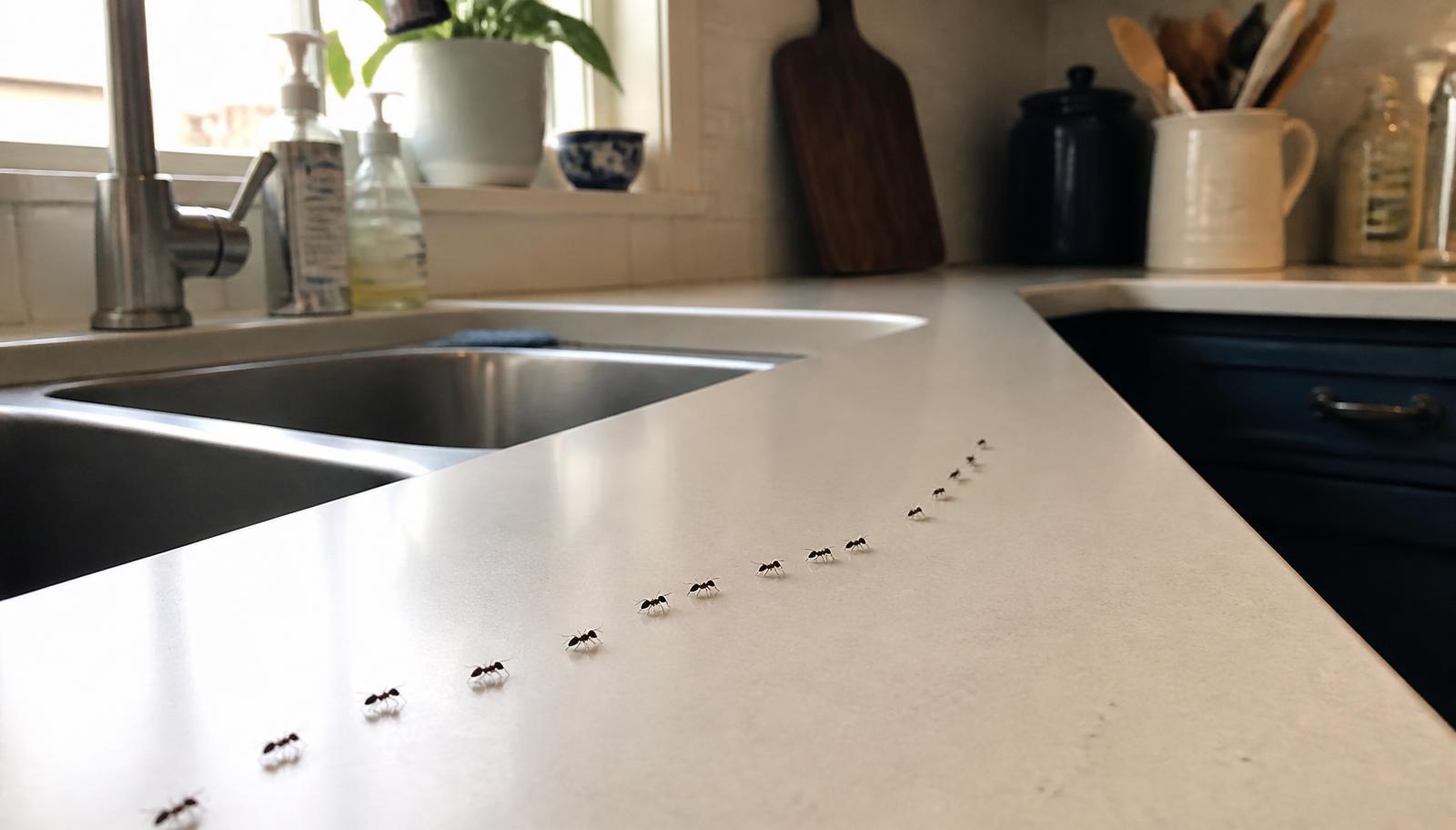
Why ants take over Kansas kitchens every April
Warm rain, cool nights and a foraging trail that started outside your foundation. Here's what's actually happening and what stops it.
Read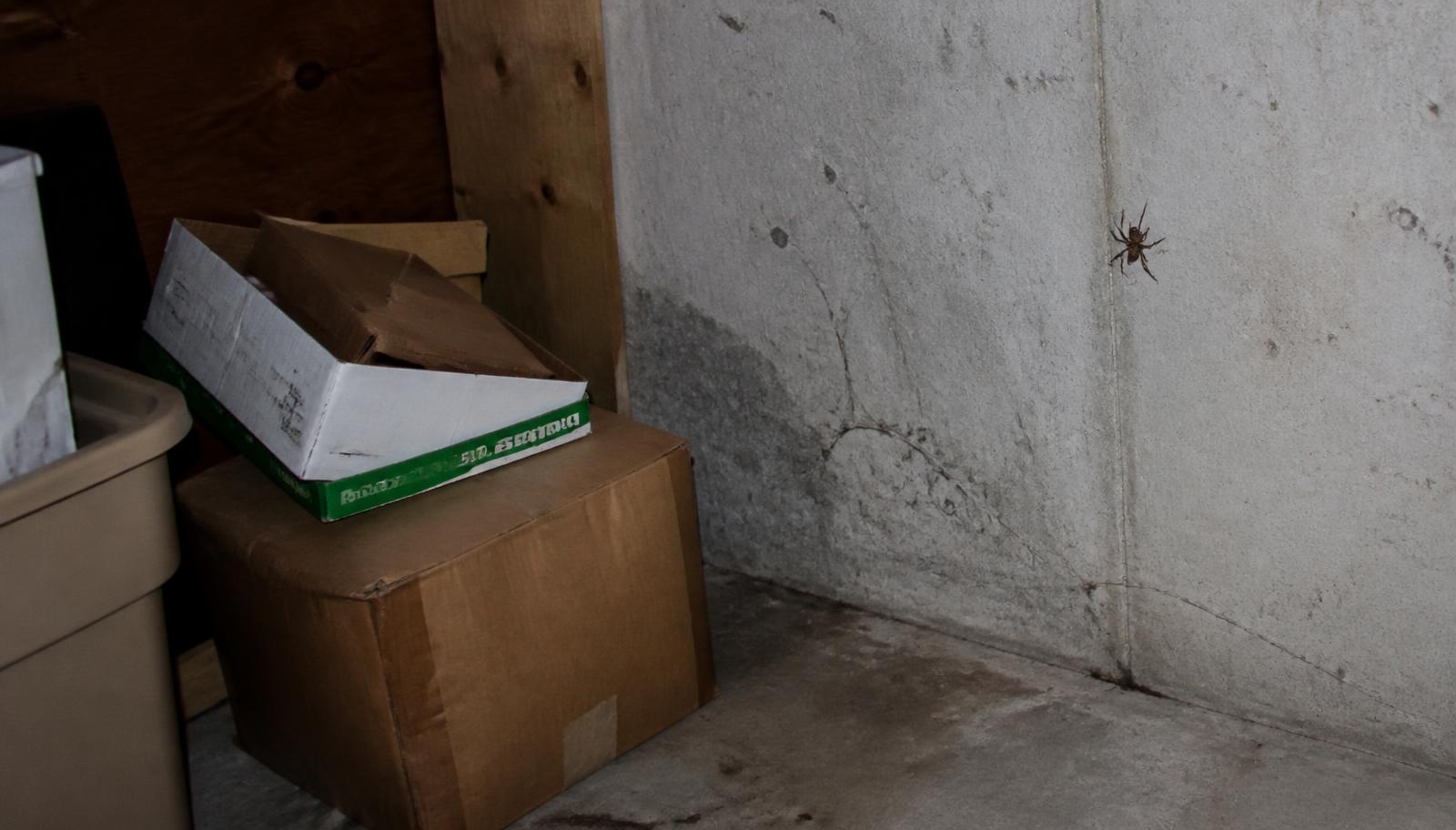
Spiders
Brown recluse vs. wolf spiders: what's actually in your Kansas basement
Johnson County sits in brown recluse territory, but most of the spiders people find are harmless. Here's how to tell them apart and how to make your home less inviting.
Read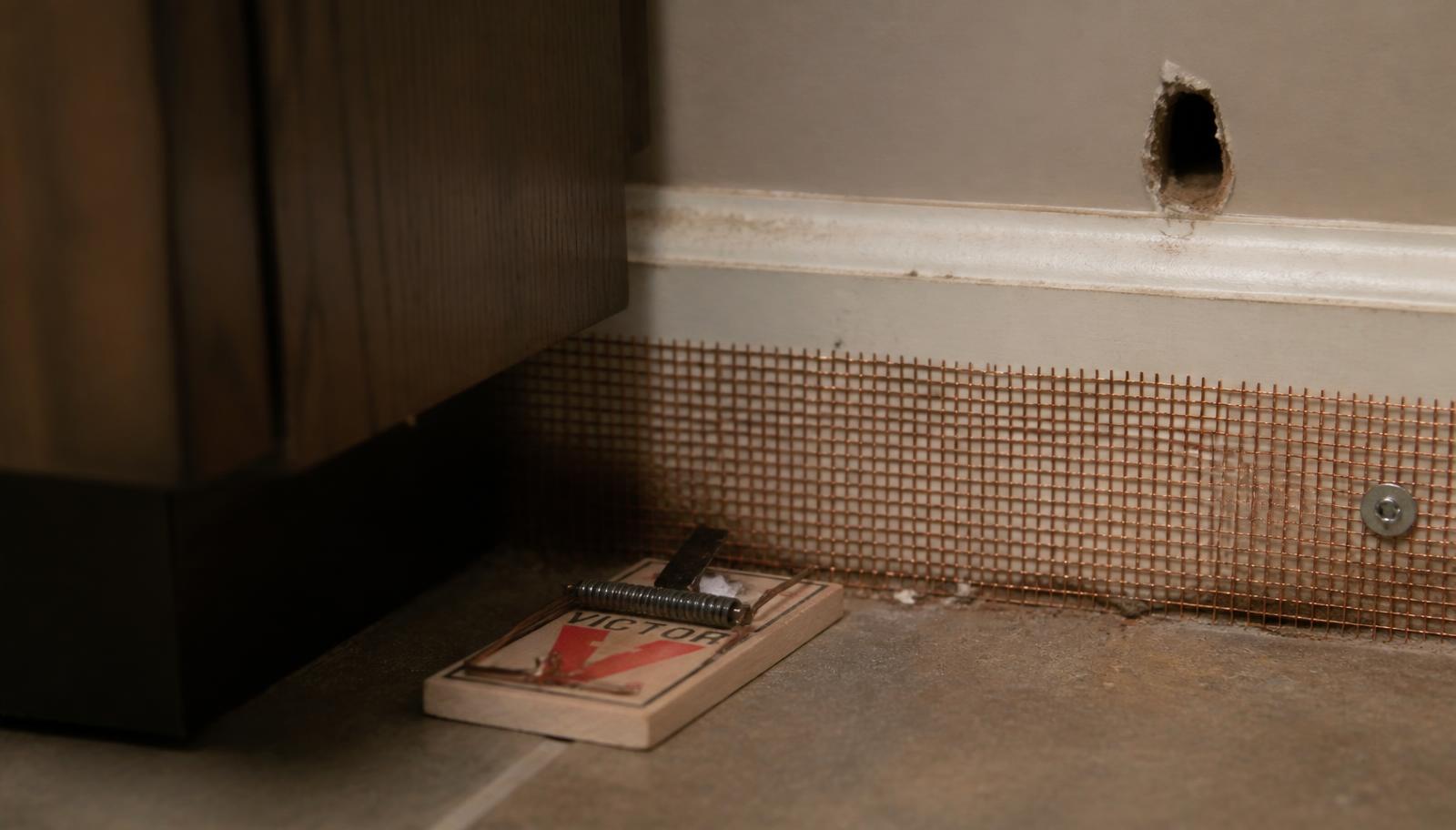
Mice
How to get rid of mice: a step-by-step guide for Kansas homes
Traps in the right places, food removed, and every dime-sized gap sealed. That order matters — here's the exact sequence we use in Overland Park homes.
ReadReady for a pest-free home?
Tell us what you're seeing and we'll give you a straight answer, a firm price, and a visit this week.