June 16, 2026 · 6 min read
Brown recluse vs. wolf spiders: what's actually in your Kansas basement
Johnson County sits in brown recluse territory, but most of the spiders people find are harmless. Here's how to tell them apart and how to make your home less inviting.

Written by the Trailside Pest Control field team · Overland Park, KS
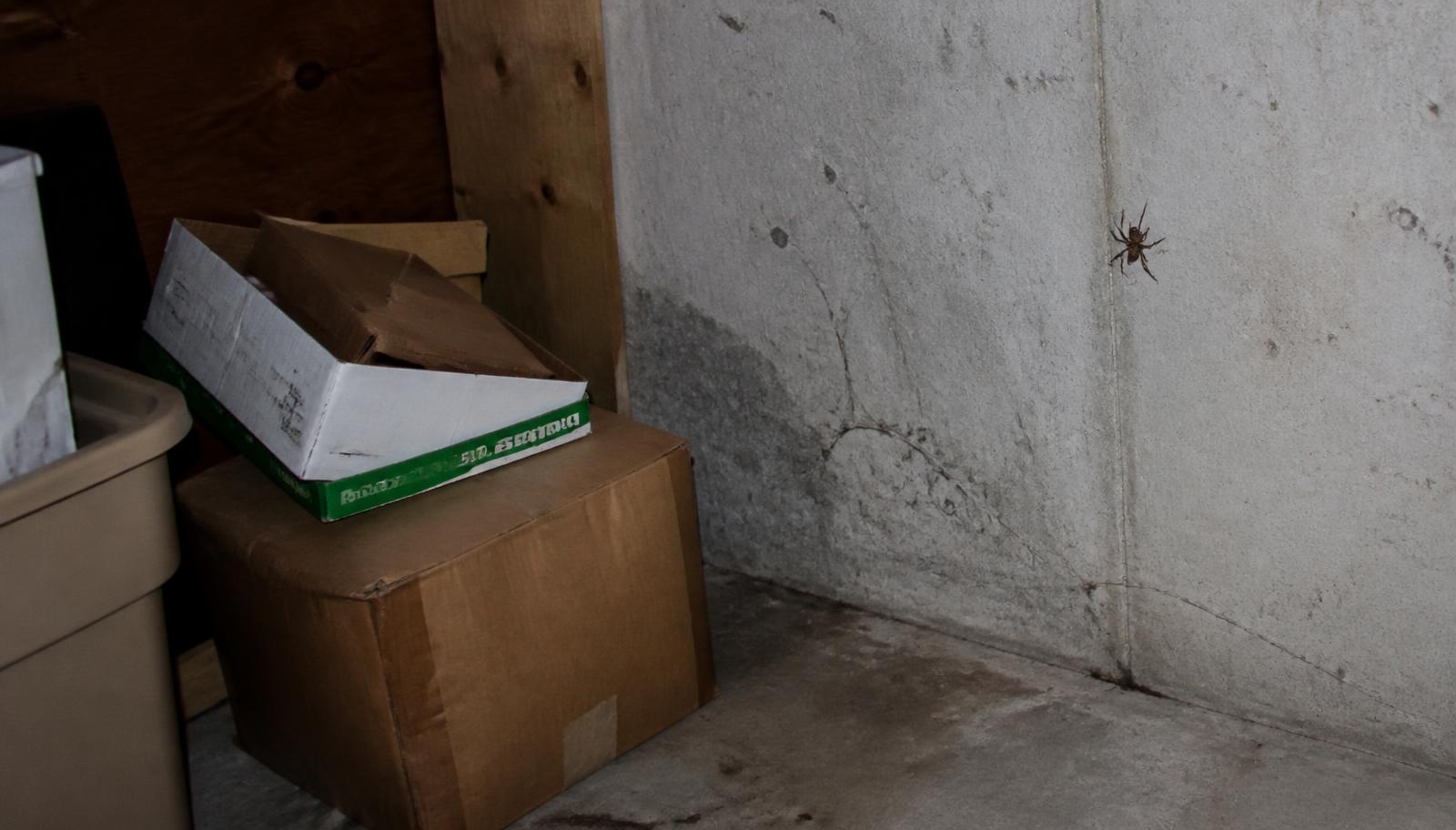
The short answer
Johnson County is within brown recluse range, but most basement spiders we identify are wolf, grass or cellar spiders, which are harmless. A recluse is quarter-sized, uniformly tan with no leg banding and a violin mark behind the head. Reducing insects, clutter and cardboard storage is what actually lowers spider numbers.
Key takeaways
- Brown recluse: quarter-sized, uniform tan, no leg bands, violin mark, messy webbing in undisturbed storage.
- Wolf spider: large, hairy, mottled brown-grey, builds no web, hunts across floors at night — not medically significant.
- Spiders follow their food, so exterior lighting and insect pressure drive indoor sightings.
- Plastic totes off the floor beat cardboard for cutting harborage.
The call we take every summer
Almost every spider call we take in Overland Park, Leawood and Olathe starts the same way: someone found a brown spider in the basement or garage and wants to know whether it's a brown recluse. Usually it isn't — but Kansas is genuinely within recluse range, so the question is worth answering carefully.
How to identify a brown recluse
A brown recluse is small, roughly the size of a quarter with legs extended, uniformly tan to light brown with no banding or spots on the legs, and it has a darker violin shape on the front of its body pointing back toward the abdomen. It builds messy, irregular webbing in undisturbed places: stored boxes, behind shelving, inside crawl spaces, under a workbench.
How to identify a wolf spider
A wolf spider is the one that startles people most. It's larger and stocky, hairy, patterned in brown and grey, and it doesn't build a web at all — it hunts on the ground, which is why you meet it running across a basement floor at night. Wolf spiders are not medically significant. Grass spiders and cellar spiders round out most of the rest of what we identify here.
Why they're in your basement at all
Where they come from matters more than what they're called. Spiders follow their food. If insects are collecting around your exterior lights, in window wells, along the foundation or under the deck, spiders will settle in behind them. Firewood stacked against the house, mulch piled up over the siding line, and boxes sitting directly on a garage floor all create ideal harborage a few feet from a door.
What actually reduces spiders
These changes cut harborage and the insect supply spiders depend on:
- Store garage and basement items in sealed plastic totes, not cardboard.
- Keep totes off the floor and a few inches away from walls.
- Pull mulch back from the foundation and move firewood away from the house.
- Swap exterior bulbs for warm or yellow-toned lights that attract fewer insects.
- Add door sweeps to garage and basement doors.
- Shake out shoes, gloves and stored clothing that has sat untouched.
How our spider program works
On the treatment side, spraying a visible spider does very little. Our spider program removes webs and egg sacs by hand, treats the cracks, voids and harborage where spiders actually live, and maintains a quarterly exterior barrier plus eave de-webbing so populations don't rebuild. If we confirm brown recluse activity, we increase monitoring inside and focus heavily on storage areas and crawl spaces.
One practical note if you have kids or pets: recluse bites almost always happen when the spider is pressed against skin, not while it's crossing a floor.
Common questions
Are brown recluse spiders common in Overland Park?
Kansas is within brown recluse range, so we do confirm them occasionally — usually in crawl spaces, undisturbed storage or older basements. The large majority of spiders we identify on service calls are harmless wolf, grass or cellar spiders.
Does spider spray around the house work?
Not on its own. Spiders don't groom pesticide off their bodies the way insects do, so results come from removing webs and egg sacs by hand, treating harborage and voids, and reducing the insects they feed on.
How often should spider treatment happen?
Quarterly for most Kansas homes, with de-webbing at each visit. Homes with heavy landscaping, exterior lighting or a walkout basement often need attention in spring and again in late summer.
Keep reading
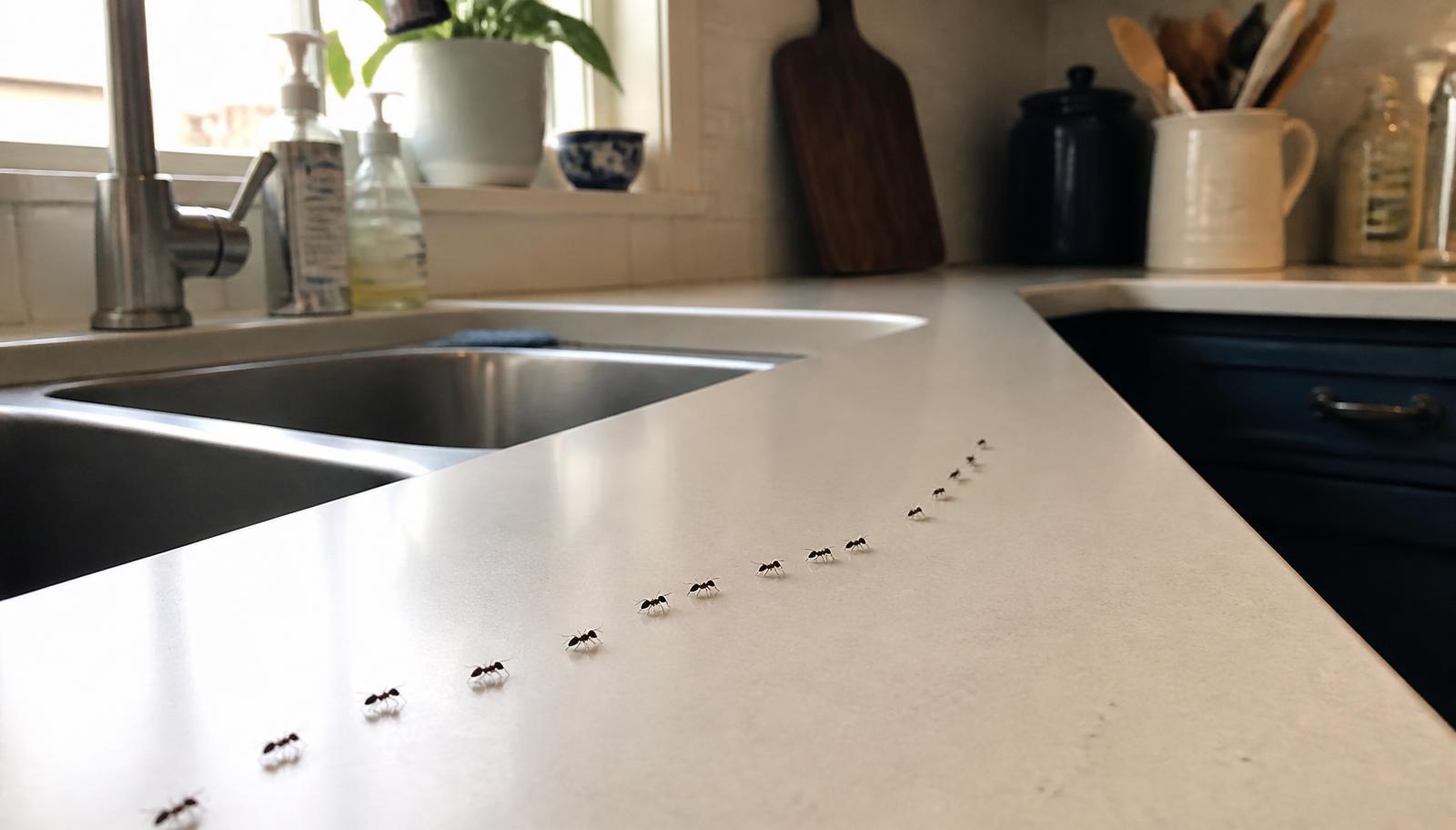
Ants
Why ants take over Kansas kitchens every April
Warm rain, cool nights and a foraging trail that started outside your foundation. Here's what's actually happening and what stops it.
Read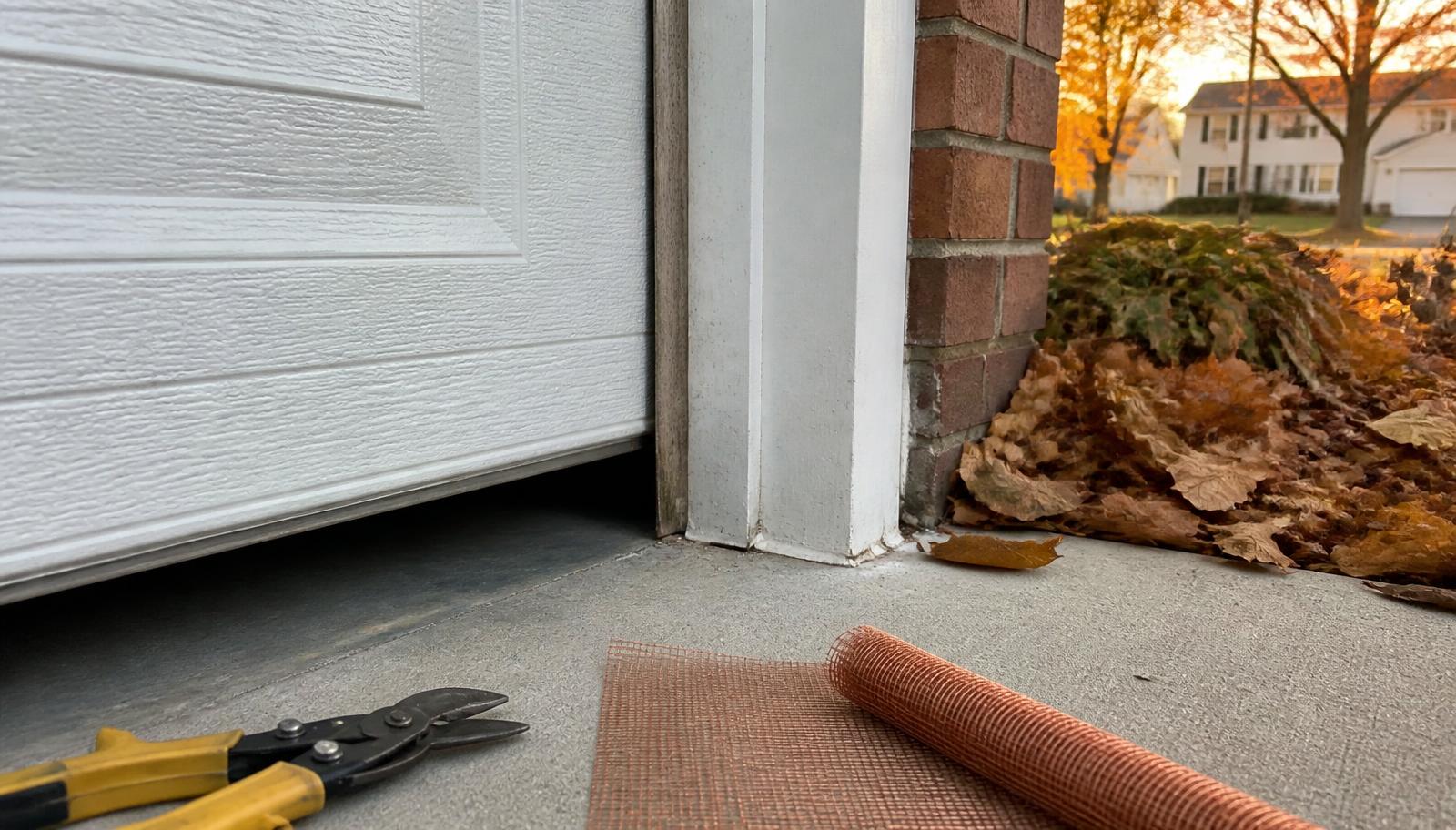
Rodents
Rodent-proofing before the first cold snap
October is when mice start looking for winter quarters. A weekend of exclusion work now saves a much bigger problem in January.
Read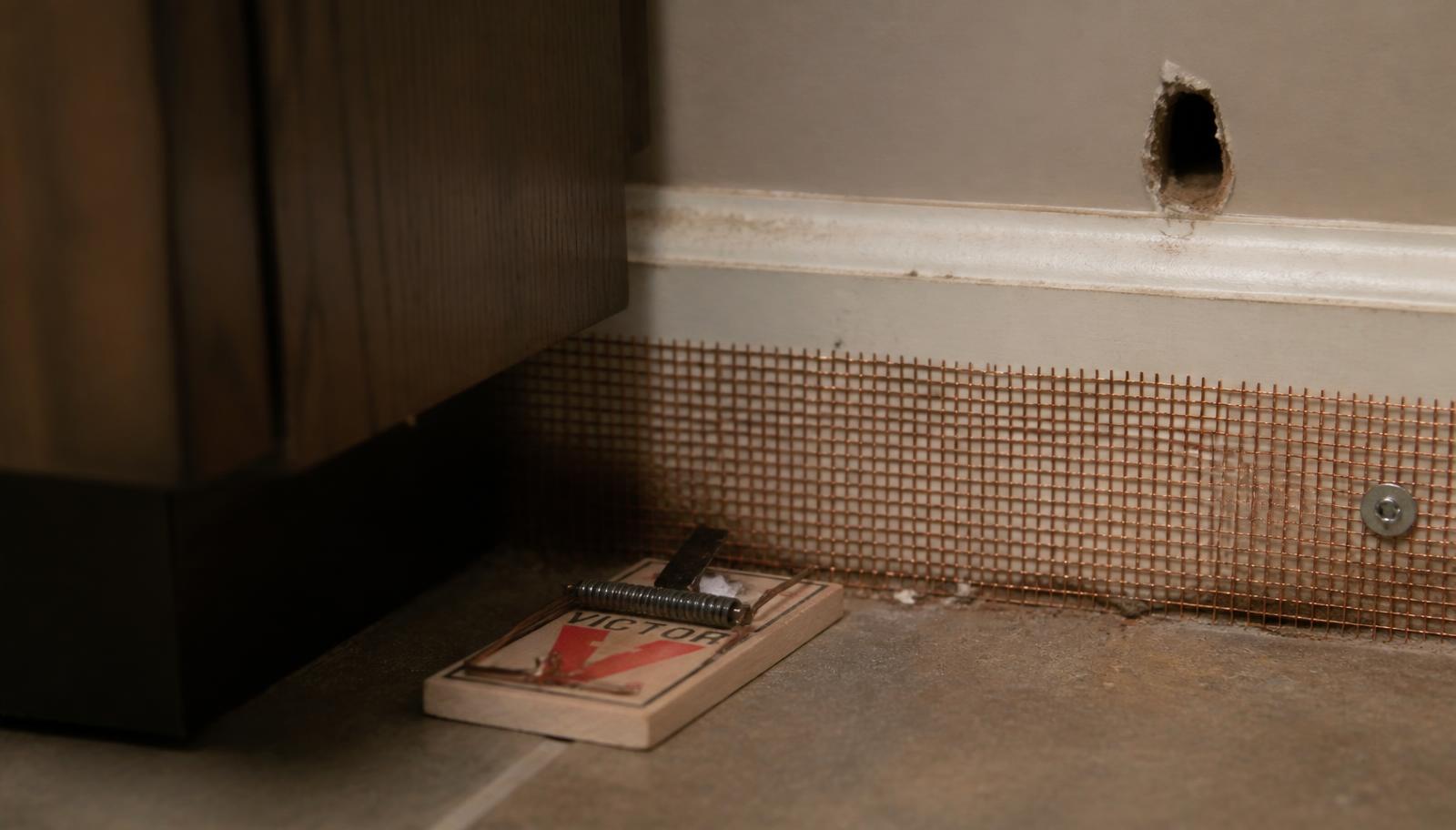
Mice
How to get rid of mice: a step-by-step guide for Kansas homes
Traps in the right places, food removed, and every dime-sized gap sealed. That order matters — here's the exact sequence we use in Overland Park homes.
ReadReady for a pest-free home?
Tell us what you're seeing and we'll give you a straight answer, a firm price, and a visit this week.