September 1, 2026 · 7 min read
How to get rid of mice: a step-by-step guide for Kansas homes
Traps in the right places, food removed, and every dime-sized gap sealed. That order matters — here's the exact sequence we use in Overland Park homes.

Written by the Trailside Pest Control field team · Overland Park, KS
The short answer
To get rid of mice, work in one order: confirm the activity, remove food and clutter, place snap traps tight against walls in the runways, then seal every gap larger than a dime with copper mesh or hardware cloth. Trapping before sealing prevents mice dying inside wall voids. Most homes are clear in one to three weeks; a single female can produce 30 to 60 young a year, so partial fixes fail.
Key takeaways
- Trap first, seal second — sealing an active infestation traps mice inside your walls.
- Snap traps beat bait indoors: no rodenticide in the living space, and you confirm the catch.
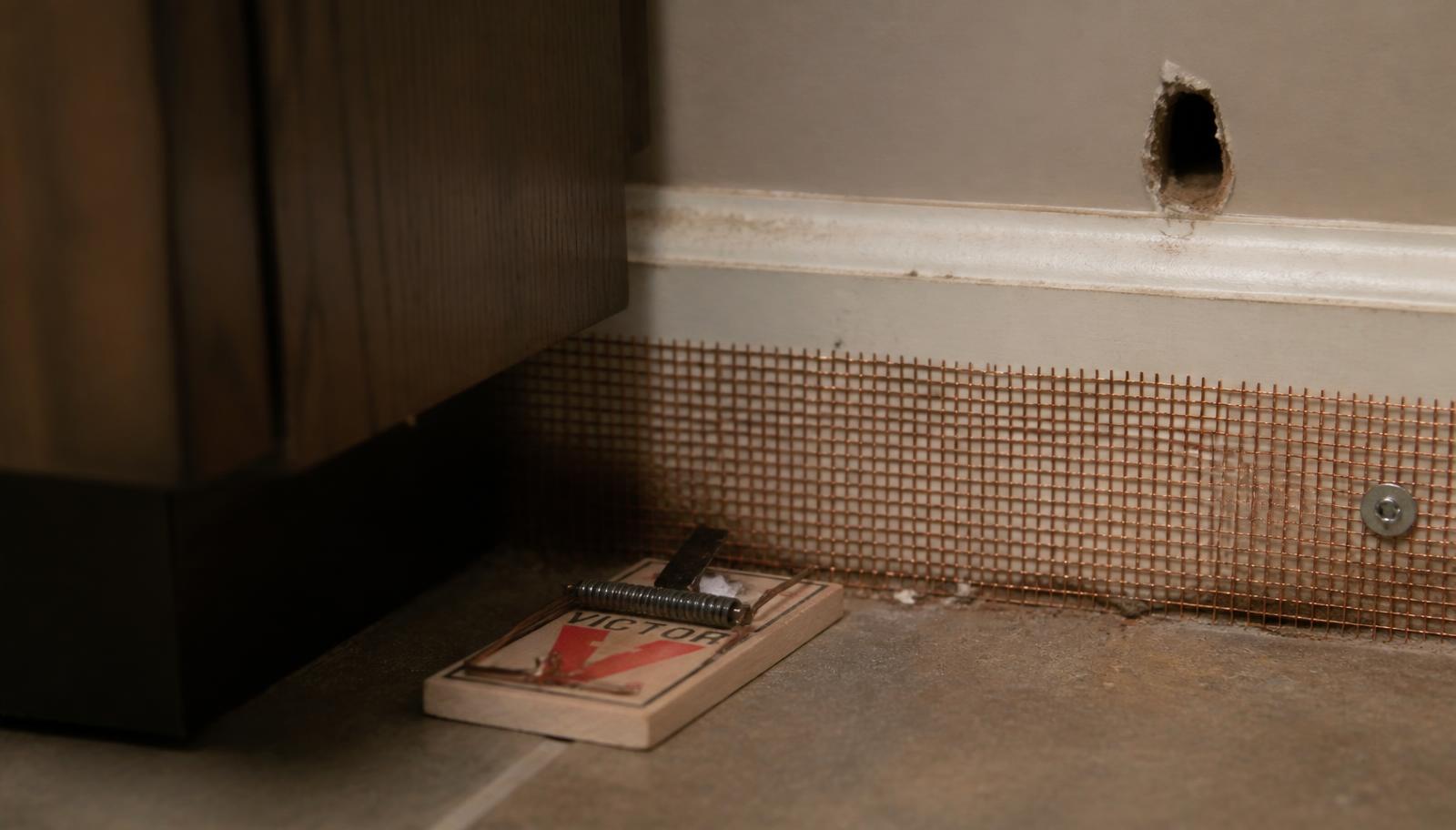
- Place traps perpendicular to the wall, trigger end touching the baseboard, 6 to 10 feet apart.
- Peanut butter in a pea-sized amount works better than cheese or a loaded trap.
- A mouse fits through a dime-sized gap, so exclusion is what makes the fix permanent.
Step 1: Confirm you actually have mice
Before you buy anything, verify what you're dealing with. House mouse droppings are dark, rice-grain shaped and about an eighth of an inch long — rat droppings are three times that size and need a different plan.
Look for the evidence trail rather than the mouse itself. You'll usually find it in a pantry corner, under the sink, behind the range, in the garage along the wall, or in the utility room around the water heater.
- Droppings concentrated in corners and along wall edges.
- Greasy dark smudge marks where mice run the same route nightly.
- Shredded paper, insulation or dog food bag material gathered into a nest.
- Gnaw marks on cardboard, baseboards or the corner of a pantry box.
- Scratching or scurrying in walls and ceilings between dusk and dawn.
Step 2: Cut off the food and water
Mice need very little — a few grams of crumbs a day. If food stays available, traps compete with easier meals and results stall.
This is the step most homeowners skip, and it's the reason a week of trapping sometimes produces nothing.
- Move dry pantry goods, pet food, bird seed and grass seed into hard sealed containers.
- Vacuum under the range, refrigerator and toe kicks where crumbs collect.
- Take trash out nightly and keep garage bins lidded.
- Fix dripping faucets and any standing water under sinks.
- Get cardboard boxes off garage and basement floors.
Step 3: Set traps correctly
Indoors, we lead with snap traps. They put no rodenticide in your living space and they tell you exactly how many mice you've removed — with bait you're guessing, and a poisoned mouse commonly dies inside a wall void.
Placement matters far more than the brand of trap. Mice travel along walls and never out in the open, so a trap in the middle of the floor rarely fires.
- Set traps perpendicular to the wall with the trigger end touching the baseboard.
- Space them 6 to 10 feet apart along active runways, not scattered one per room.
- Use a pea-sized dab of peanut butter — an overloaded trap lets mice feed without triggering it.
- Place several traps at once; one trap in a home with activity is not enough.
- Leave traps undisturbed and check daily; wear gloves when handling and resetting.
- Keep glue boards out of it — they're inhumane and ineffective on established populations.
Step 4: Seal the entry points
Trapping empties the house. Exclusion keeps it that way. A house mouse squeezes through a gap the size of a dime, which means the average Johnson County home has a dozen viable openings.
Use copper mesh or stainless steel wool packed into the gap and sealed over it. Expanding foam or caulk alone fails — mice chew straight through both.
- Both bottom corners of the garage door, plus a worn bottom seal.
- Utility penetrations for gas, electrical and AC line sets.
- Dryer and bathroom vents with missing or broken dampers.
- Weep holes and the seam where siding meets brick.
- Crawl space vents, foundation cracks and sill plate gaps.
- Gaps under exterior doors that need a new door sweep.
Step 5: Keep pressure down outside
Mice enter from the yard, so the last step is making the exterior less hospitable. Pull mulch and landscape rock back from the foundation, move firewood well away from the house, trim shrubs and limbs off the siding and roofline, and keep grass and ground cover cut back along the foundation line.
Tamper-resistant exterior stations have a role in lowering pressure around the structure — but they belong outside, professionally placed, never loose in a garage where pets or kids can reach them.
When to call us instead
DIY works for a mouse or two that wandered in. Call a professional if you're still catching mice after two weeks, hear activity in walls or ceilings, find droppings in multiple rooms, smell a dead rodent in a wall, or see signs in an attic or crawl space you can't safely access.
Our mouse and rodent programs cover the whole sequence: inspection with entry points documented, trapping and removal, sealing of the openings we can reach, sanitation guidance, and follow-up visits until the activity stops. Larger repairs get quoted before any work happens.
Common questions
How long does it take to get rid of mice?
A small, recent problem often clears in one to two weeks of correct trapping. An established population in walls or an attic usually takes three to six weeks with follow-up visits, because you have to remove the current mice and then close every entry point.
Should I use snap traps or poison for mice inside my house?
Snap traps, inside. They keep rodenticide out of your living space, avoid risk to pets and kids, and let you confirm how many mice you've caught. A poisoned mouse frequently dies in a wall void, which creates an odor problem you then have to open the wall to solve.
Where do mice get into a house in Kansas?
The most common entry we find in Johnson County is the bottom corners of the garage door and a worn garage door seal. After that: utility and AC line penetrations, dryer and bath vents with broken dampers, weep holes, crawl space vents, foundation cracks and gaps under exterior doors.
Does one mouse mean there are more?
Usually. Mice are social and breed fast — a female can produce 30 to 60 young in a year. A single sighting in fall or winter almost always means an established route into the structure, so it's worth inspecting rather than assuming it was a one-off.
Will mice leave on their own?
No. Once inside they have shelter, warmth and food, so they stay and reproduce. Peppermint oil, ultrasonic repellers and similar remedies don't move an established population — removal plus sealing does.
How much does mouse removal cost in Overland Park?
Our mouse removal program starts at $69 a month and includes inspection, trapping, entry-point sealing we can reach and follow-up visits. We quote after the inspection so you know exactly what the home needs before anything starts.
Keep reading
Ants
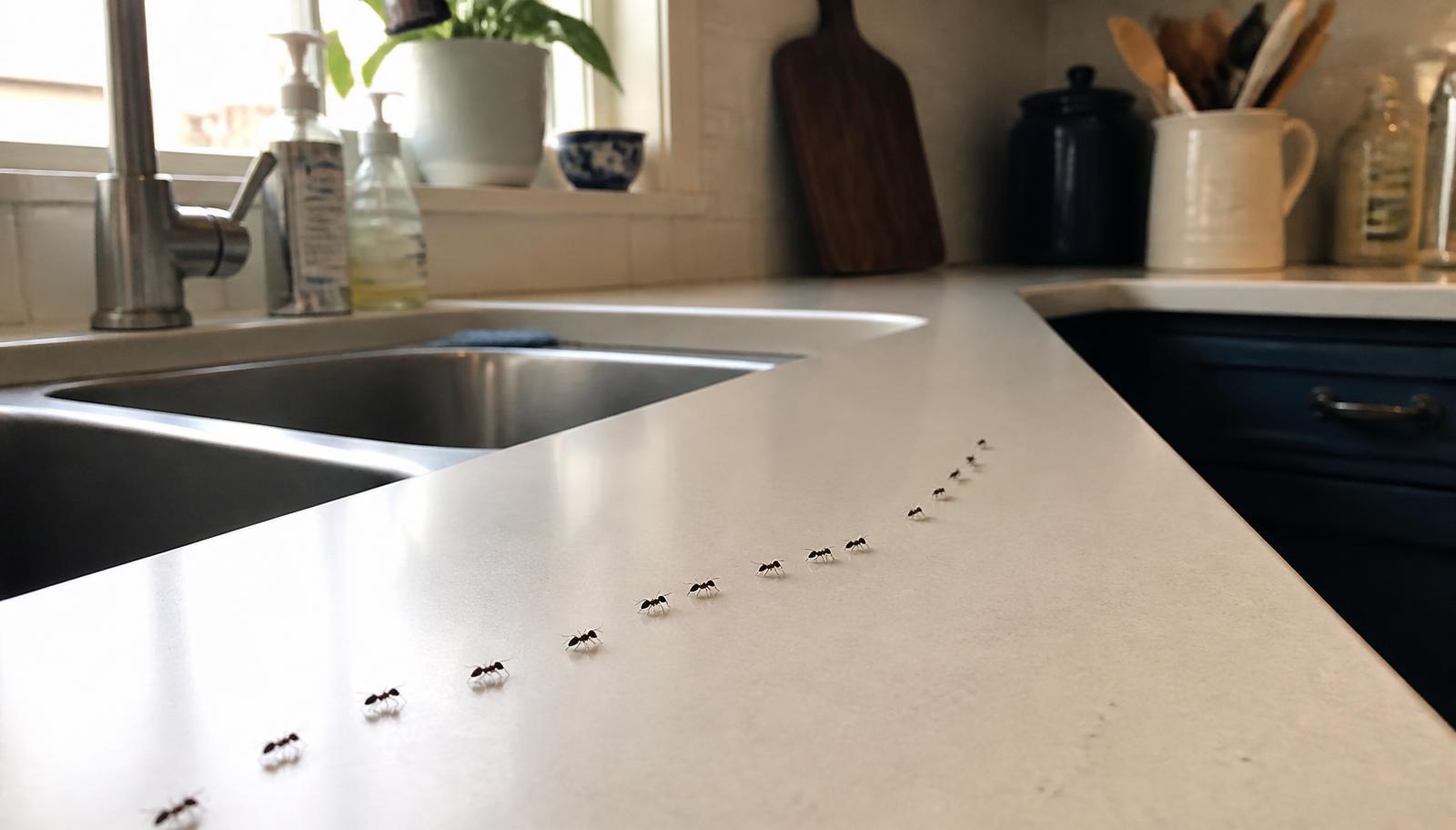
Why ants take over Kansas kitchens every April
Warm rain, cool nights and a foraging trail that started outside your foundation. Here's what's actually happening and what stops it.
Read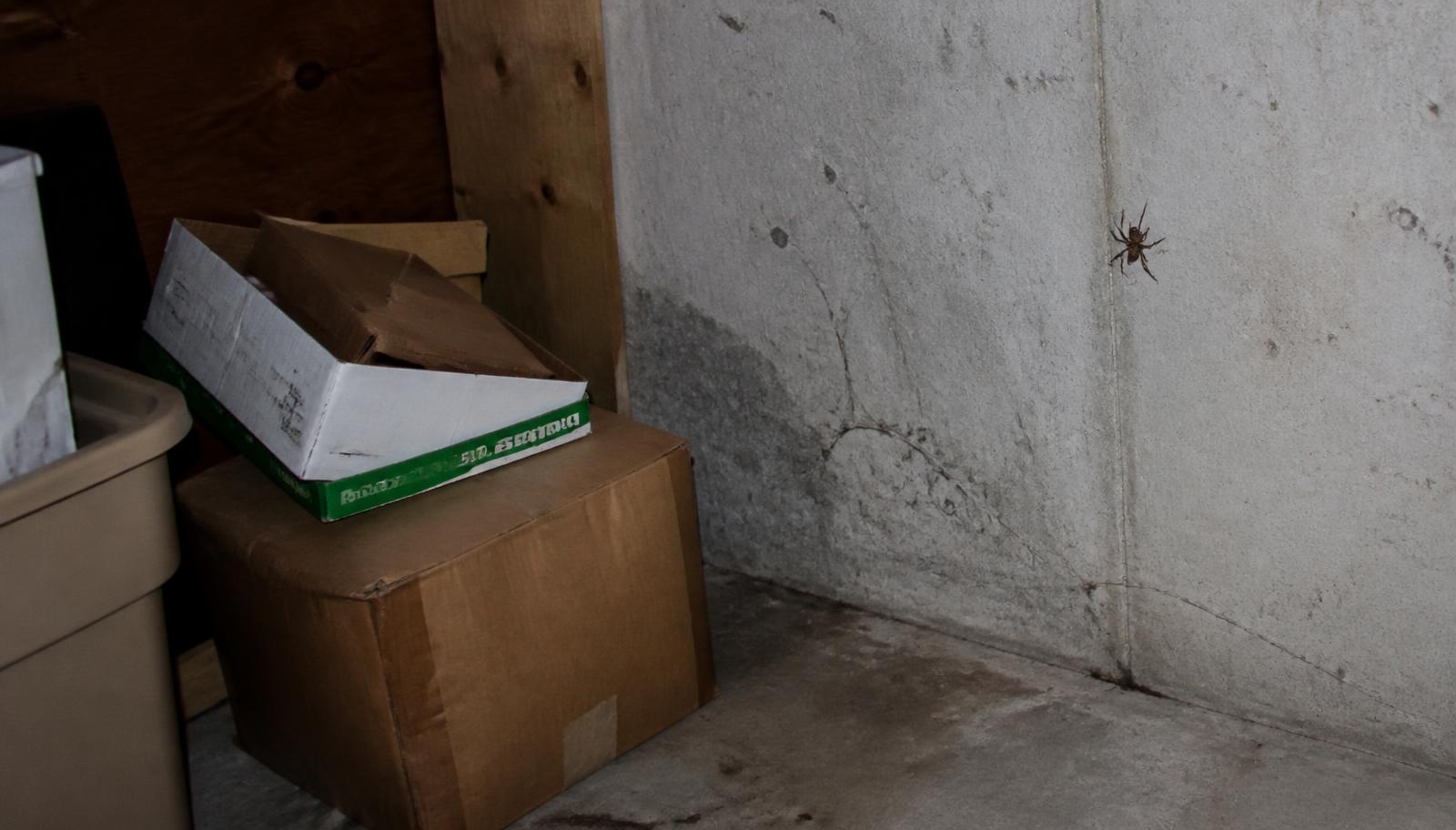
Spiders
Brown recluse vs. wolf spiders: what's actually in your Kansas basement
Johnson County sits in brown recluse territory, but most of the spiders people find are harmless. Here's how to tell them apart and how to make your home less inviting.
Read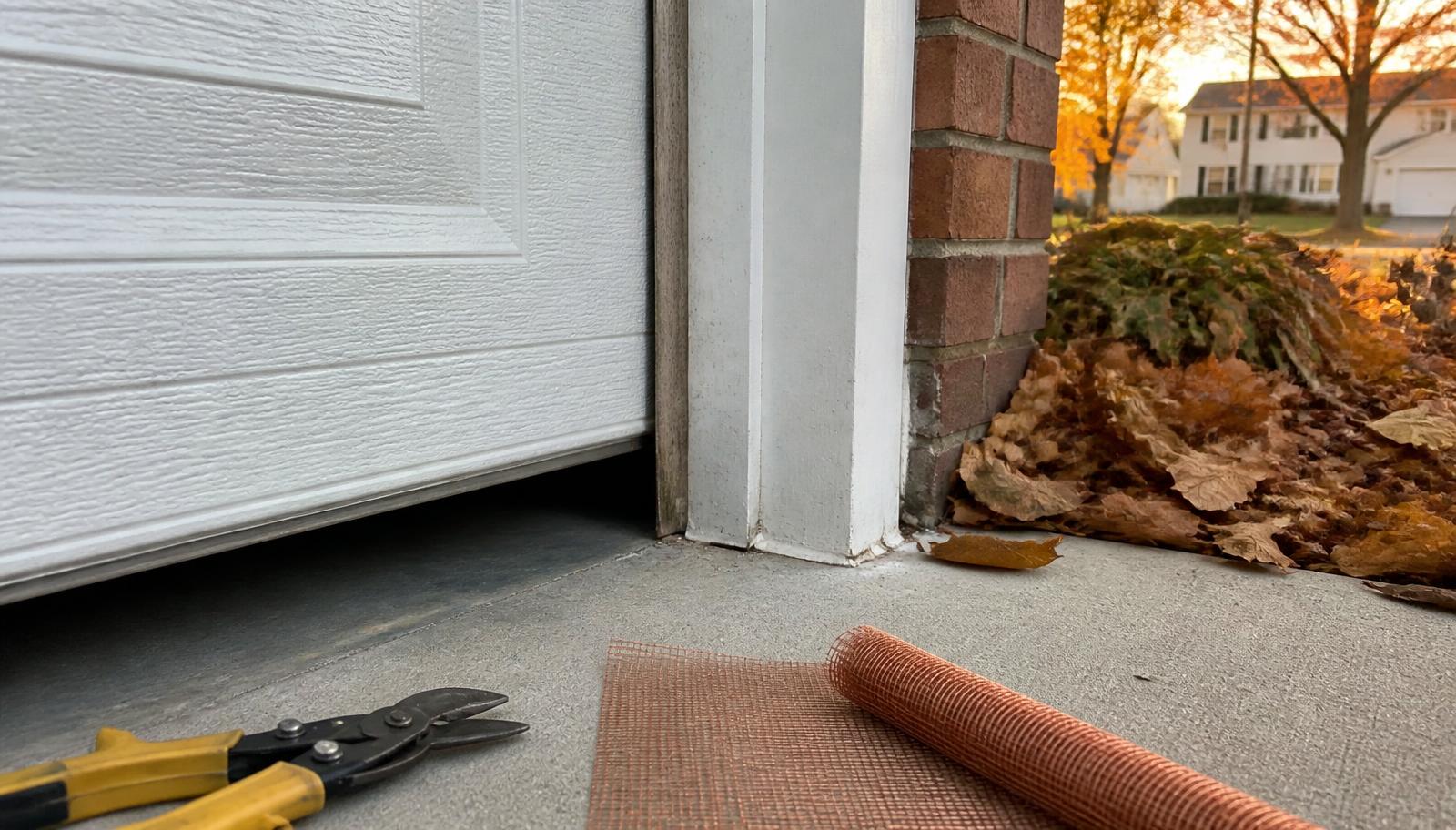
Rodents
Rodent-proofing before the first cold snap
October is when mice start looking for winter quarters. A weekend of exclusion work now saves a much bigger problem in January.
ReadReady for a pest-free home?
Tell us what you're seeing and we'll give you a straight answer, a firm price, and a visit this week.